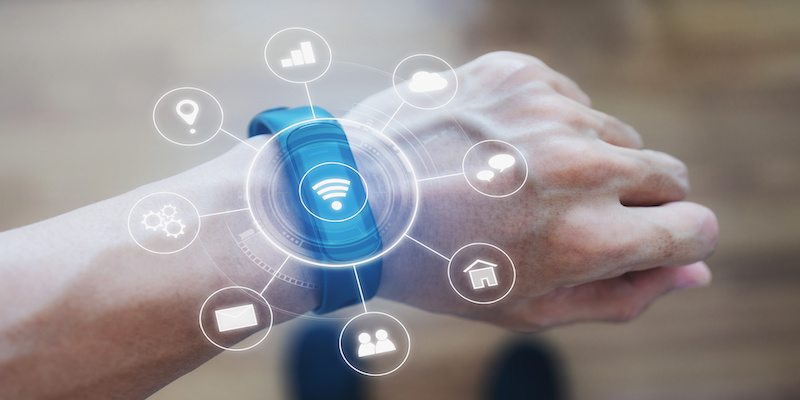
The Future of Smart Wearables
Created on 20 January, 2026 • Tech Blog • 398 views • 6 minutes read
The future of smart wearables in 2026: Explore the rise of AR glasses, neural wristbands, smart fabrics, and the shift from smartphones to ambient computing.
The Future of Smart Wearables
Table of Contents
- Introduction
- What Are Smart Wearables?
- Key Trends Shaping the Smart Wearable Market
- Popular Types of Smart Wearables
- The Role of Artificial Intelligence in Wearables
- Normalizing Wearable Technology
- Challenges Facing the Smart Wearable Industry
- The Future of Wearable Technology: Predictions
- Conclusion: Embracing the Future of Wearables
Introduction
Smart wearables have transformed from niche gadgets to essential devices in our daily lives. As technology continues to evolve, these devices are becoming more integrated, functional, and beneficial for users of all ages. With the rise of health consciousness and a growing inclination towards technology, the future of smart wearables is rich with potential.
What Are Smart Wearables?
Smart wearables are electronic devices that can be worn on the body, incorporating technology to perform various functions. From fitness trackers to smartwatches and even smart clothing, these devices often sync with smartphones and the internet, providing users with data and connectivity at their fingertips. Essentially, they merge fashion with functionality, allowing you to stay connected while keeping track of your health and daily activities.
Key Trends Shaping the Smart Wearable Market
As wearables evolve, several key trends are influencing their development, making them more appealing to teenagers and young adults.
Health and Fitness Monitoring
Health is at the forefront of wearable technology advancements. Devices now come with an array of sensors that monitor everything from heart rate to sleep patterns. The ability to track workouts, calorie intake, stress levels, and even hydration is making wearables essential for fitness enthusiasts. Young people are more health-conscious than ever, and wearables provide a tangible way to stay motivated and reach health goals.
Integration with Smart Technology
Smart wearables are increasingly integrating with other smart home devices. Imagine controlling your smart lights or thermostat effortlessly through your smartwatch. This interconnected ecosystem is enhancing the user experience and driving adoption among tech-savvy youth who seek convenience in their lives. Seamless interactions between devices allow for a cohesive smart home environment, empowering users to manage their day efficiently.
Enhanced Connectivity
Mobile connectivity is vital for the future of smart wearables. With advancements in cellular technology, many devices now operate independently from smartphones. This allows users to stay connected even when they don’t carry their phones—an ideal feature for athletes and teenagers who prefer leaving their phones behind while engaging in activities. The potential for increased connectivity will continue to attract a younger demographic.
Popular Types of Smart Wearables
There are several categories of smart wearables that appeal to different needs and interests.
Smartwatches
Smartwatches are among the most popular wearables, combining traditional watch functionality with smartphone-like features. You can receive notifications, answer calls, and even control music directly from your wrist. With customizable watch faces and bands, they can reflect your personal style while providing essential tools for managing your day.
Fitness Trackers
Fitness trackers focus primarily on health and activity monitoring. They count steps, monitor heart rates, track sleep quality, and sometimes even measure blood oxygen levels. These devices help users set fitness goals and keep them accountable, making them perfect companions for workout enthusiasts looking to improve their performance.
Smart Glasses
An emerging trend is smart glasses, which bring augmented reality (AR) to your eyes. These wearable devices overlay digital information on the real world, enhancing user experience in gaming, navigation, and information retrieval. With companies investing heavily in AR technology, the future of smart glasses can redefine interaction with our environment.
Smart Clothing
The concept of smart clothing is gaining traction, incorporating sensors into fabric to monitor various metrics like heart rate, temperature, and muscle exertion. This category is particularly exciting for athletes who desire real-time feedback to enhance performance and reduce injury risks.
The Role of Artificial Intelligence in Wearables
Artificial intelligence (AI) is the backbone of evolving smart wearable features. Using AI algorithms, wearables can provide personalized recommendations based on user data. For instance, sleep apps can analyze your sleep patterns and suggest optimal bedtimes. As AI continues to develop, smart wearables will offer even more tailored experiences, encouraging youth engagement and adherence to health regimes.
AI-driven chatbots and voice assistants are also becoming common features in wearables, allowing you to manage tasks using voice commands. This hands-free control is particularly attractive to teenagers with busy schedules, enabling them to access information and control devices effortlessly.
Normalizing Wearable Technology
Wearables are becoming more commonplace in everyday life. Schools and workplaces are incorporating technology in ways that normalize its use among younger generations. From fitness challenges in schools to tracking productivity at work, the integration of smart wearables in diverse contexts promotes understanding and acceptance.
Social media influencers often showcase their use of wearables, increasing visibility and shaping trends. This normalization encouraged young people to seek more interactive and connected lifestyles while promoting a culture of health and awareness.
Challenges Facing the Smart Wearable Industry
Despite the promising outlook, challenges still linger in the smart wearable market.
Privacy Concerns
As wearables collect personal data, privacy remains a significant concern. Users need assurance that their information is secure and used responsibly. Companies must prioritize data encryption and transparent policies to build trust among users. This is particularly important for younger audiences who are more aware of their digital footprint and privacy rights.
Battery Life and Connectivity Issues
Battery lifespan is a common complaint among wearable users. The more features a device has, the faster the battery drains. To encourage adoption and regular usage, manufacturers must innovate to improve battery efficiency while enhancing performance. Additionally, maintaining consistent connectivity in a range of environments can also pose challenges.
Cost and Accessibility
While the cost of wearables has decreased, high-end models can still be unaffordable for many. This poses a barrier for young users or students who might want to experience the technology but cannot invest heavily. Affordable options without compromising essential features are vital to ensuring inclusivity in the tech-driven future.
The Future of Wearable Technology: Predictions
As technology advances, several predictions can be made for the future of smart wearables.
Increased Personalization
Personalization will become a standard feature, with wearables adapting to individual user behaviors. Expect AI to recommend wellness routines, workout plans, and lifestyle changes customized to your preferences and data.
Micro-technology
The ongoing trend toward miniaturization hints that wearables may evolve into less intrusive forms, possibly integrating directly into everyday objects like jewelry or clothing. This will broaden the appeal of wearables as they become more seamlessly aligned with your personal style.
Expansion into Healthcare
As healthcare technology progresses, wearables will play a more significant role in monitoring chronic conditions and providing healthcare professionals with vital patient data. This expanded functionality could lead to earlier intervention and better health outcomes for users.
Enhanced Social Features
Future wearables may focus on social connectivity, allowing users to share their health data and fitness goals with friends and family. Social gamification could encourage a sense of community and friendly competition, motivating everyone to prioritize their health.
Conclusion: Embracing the Future of Wearables
The future of smart wearables is bright and filled with opportunities. As these devices evolve, they will continue to play crucial roles not only in personal health and fitness but also in social connectivity and overall lifestyle management. By keeping pace with technological advancements and user needs, wearables will become even more integral to daily life, particularly among younger generations eager to embrace innovation. As you navigate the landscape of smart wearables, anticipate a world where technology and fashion intertwine, enhancing every aspect of your life.
Popular posts
-
How Robotics Will Transform FactoriesTech Blog • 508 views
-
Future Smartphones: What’s Coming NextTech Blog • 492 views
-
How AI Is Transforming Business in 2025Tech Blog • 480 views
-
Future of Online SecurityTech Blog • 453 views
-
Best Coding Languages for 2025Tech Blog • 449 views