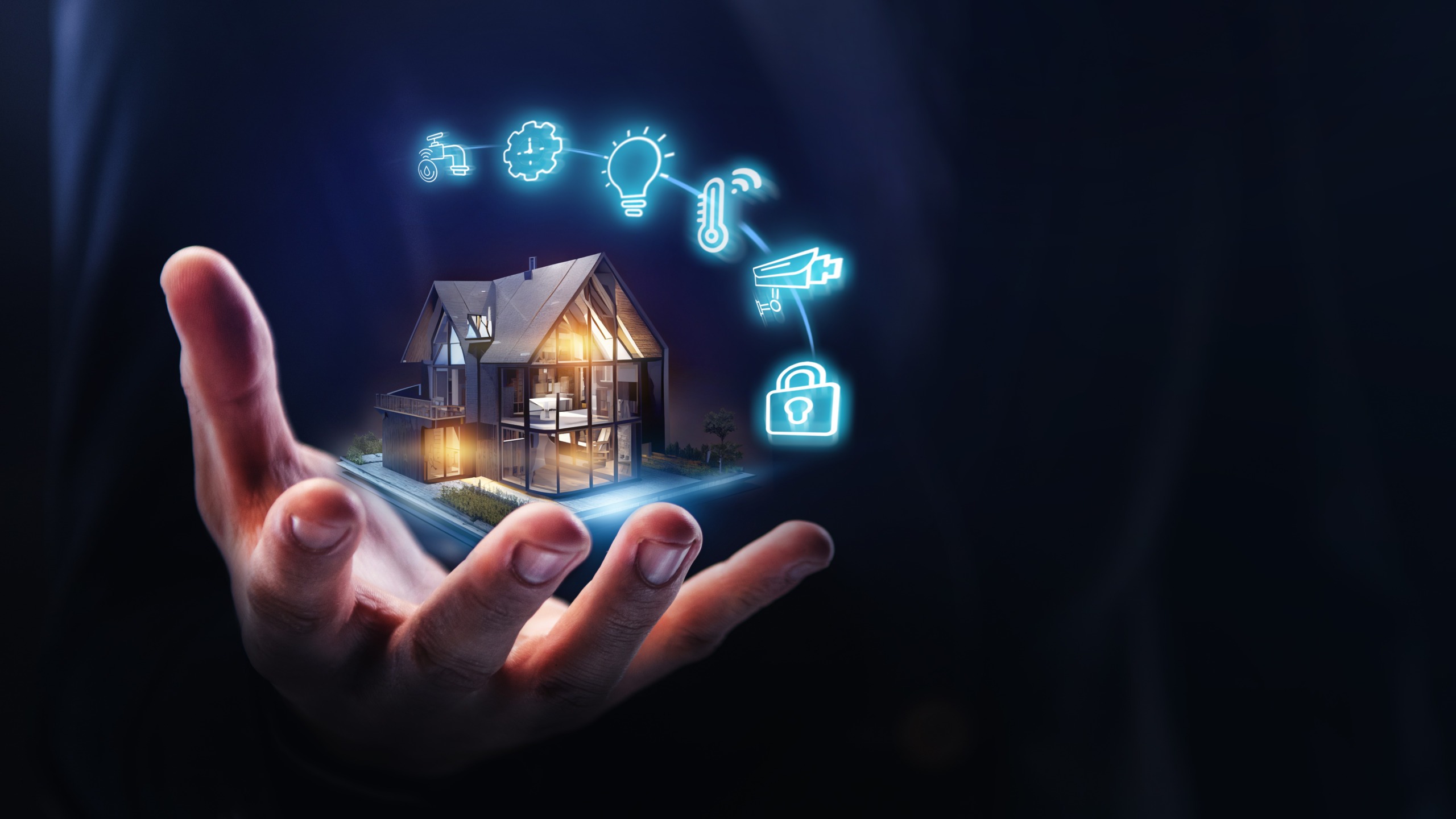
The Future of Smart Homes
Created on 25 November, 2025 • Tech Blog • 378 views • 5 minutes read
Discover how smart homes are evolving with AI automation, energy-efficient systems, and advanced security to create a more connected, convenient future.
The Future of Smart Homes
Table of Contents
- Introduction
- What Are Smart Homes?
- The Evolution of Smart Home Technology
- Key Components of Smart Homes
- Benefits of Smart Homes
- Challenges and Concerns
- The Role of AI in Smart Homes
- Sustainability in Smart Homes
- The Future Landscape of Smart Homes
- Closing Thoughts
Introduction
Imagine stepping into your home and having it automatically adjust the lighting, temperature, and even the music to match your mood. With the rapid advancements in technology, this scenario is becoming less of a distant dream and more of a reality. Smart homes are transforming the way we live, making our spaces more efficient, secure, and enjoyable. This article delves into the future of smart homes, exploring the latest trends, technologies, and possibilities that await you.
What Are Smart Homes?
Smart homes refer to residences equipped with devices that can connect to the internet, allowing you to control various home features remotely or automate them. This technology typically includes appliances, lighting, security systems, and climate control that enhance convenience and energy efficiency. By leveraging the Internet of Things (IoT), these homes enable seamless communication between devices, offering users an interconnected living experience.
The Evolution of Smart Home Technology
The journey of smart home technology began with simple devices like programmable thermostats and basic security systems. Over the years, the landscape has evolved dramatically. Today, smart home systems integrate with various devices through centralized hubs or smart assistants, enabling you to control everything from your smartphone, tablet, or voice commands. The integration of software and hardware has allowed for remarkable advancements in functionality and user experience.
Key Components of Smart Homes
When envisioning a smart home, several essential components come to mind:
Smart Lighting
Imagine adjusting your lights with a simple voice command or even automatically changing them based on the time of day. Smart lighting not only enhances ambiance but also contributes to energy savings. Brands like Philips Hue and LIFX allow you to customize your lighting experience to suit various moods.
Smart Security Systems
Safety is a priority for everyone. Smart security systems offer real-time surveillance, motion detection, and remote alarm management, giving you peace of mind whether you're at home or away. Devices such as Ring and Nest cameras are popular choices, offering versatile features like two-way audio and night vision.
Smart Thermostats
These devices optimize your home's heating and cooling systems by learning your habits and preferences. Smart thermostats, like the Nest Learning Thermostat, adjust temperatures automatically, ensuring comfort while keeping energy bills low.
Smart Appliances
From refrigerators that notify you when groceries are running low to washing machines you can control remotely, smart appliances are designed to make life easier. These devices not only save time but also often contribute to energy conservation.
Voice Assistants
With the likes of Amazon Alexa, Google Assistant, and Apple Siri, voice-controlled technology has revolutionized smart home management. You can control various devices, play music, and even ask for the weather forecast, all hands-free.
Benefits of Smart Homes
The advantages of adopting smart home technology are significant:
Convenience and Comfort
With automation, everyday tasks become more manageable. From adjusting the thermostat to preheating the oven, the convenience offered by smart homes saves you time and effort.
Energy Efficiency
Smart devices monitor and manage energy usage, reducing waste and lowering utility bills. Features like energy tracking and scheduling allow for better control over consumption, promoting a more sustainable lifestyle.
Enhanced Security
Real-time monitoring and remote access allow you to keep an eye on your property no matter where you are. Instant alerts for unusual activity enhance your home security significantly.
Increased Property Value
Investing in smart home technology can increase your property's value and attract potential buyers who appreciate modern conveniences and energy-efficient features.
Challenges and Concerns
Despite the promising future of smart homes, certain challenges and concerns need addressing:
Privacy Issues
Data collected by smart devices can pose privacy risks, especially if security measures are inadequate. It's vital to choose reliable brands that prioritize data protection.
Compatibility
With numerous manufacturers offering different smart devices, ensuring compatibility can be challenging. A comprehensive ecosystem is crucial for a seamless smart home experience.
Technology Dependence
As homes become increasingly automated, a greater dependency on technology can create vulnerabilities. Consider developing a manual backup plan for emergencies or unexpected tech failures.
The Role of AI in Smart Homes
Artificial Intelligence (AI) is at the forefront of enhancing smart home technologies. AI enables devices to learn your behavior patterns, making them more intuitive and personalized. With voice recognition and advanced predictive analytics, AI can help create a tailored home environment that adapts to your needs.
Personalized Experiences
AI-driven systems can analyze your daily routines and preferences, adjusting home settings accordingly. Imagine waking up to a brew of freshly made coffee, your preferred morning music, and lights gradually brightening—all orchestrated by your AI assistant.
Predictive Maintenance
AI can also forecast when devices and appliances need maintenance, preventing unexpected breakdowns. This proactive approach ensures that your smart home remains functional and efficient.
Sustainability in Smart Homes
As concerns about climate change continue to rise, sustainability becomes an integral aspect of smart home design. Smart technology can play a pivotal role in creating eco-friendly living spaces:
Efficient Energy Management
Smart homes can optimize energy usage by analyzing patterns and suggesting ways to save. For instance, energy-efficient devices can automatically shut off when not in use or adjust their operation based on real-time energy prices.
Water Conservation
Innovative smart irrigation systems and water sensors can help monitor water consumption, significantly reducing waste in household usage and gardening.
Sustainable Materials
As the demand for eco-friendly living increases, smart homes are beginning to incorporate sustainable materials into their designs. This trend enhances not only environmental benefits but also energy efficiency.
The Future Landscape of Smart Homes
The future of smart homes promises exciting developments, driven by ongoing technological advancements:
Greater Interconnectivity
As more devices become IoT-enabled, the interconnectivity between devices will grow. You can expect even more seamless communication and control across various platforms and systems.
Advanced Personalization
Future smart homes will likely use more sophisticated AI to further personalize experiences, allowing for tailored settings that respond to your unique habits and preferences throughout the home.
Integration with Health and Wellness
Expect smart homes to incorporate health monitoring systems, such as air quality sensors and sleep tracking features. This integration will enhance your living environment's comfort and overall well-being.
Virtual Reality Interfaces
Imagine a home where VR interfaces allow you to visualize and interact with your smart devices in an immersive way. As technology progresses, these interfaces may become commonplace, making home management even more intuitive.
Closing Thoughts
Embrace the Future of Your Smart Home
The ever-evolving landscape of smart home technology offers endless possibilities that can revolutionize your living experience. With advancements in AI, sustainability, and interconnectivity, the dream of a fully integrated, personalized home is within reach. Embracing these technologies enhances convenience, security, and energy efficiency, ensuring that your home not only meets your needs today but also adapts to future lifestyles. Dive into the world of smart homes and prepare for a life of comfort and innovation that you never imagined possible!
Popular posts
-
How Robotics Will Transform FactoriesTech Blog • 508 views
-
Future Smartphones: What’s Coming NextTech Blog • 492 views
-
How AI Is Transforming Business in 2025Tech Blog • 480 views
-
Future of Online SecurityTech Blog • 453 views
-
Best Coding Languages for 2025Tech Blog • 449 views