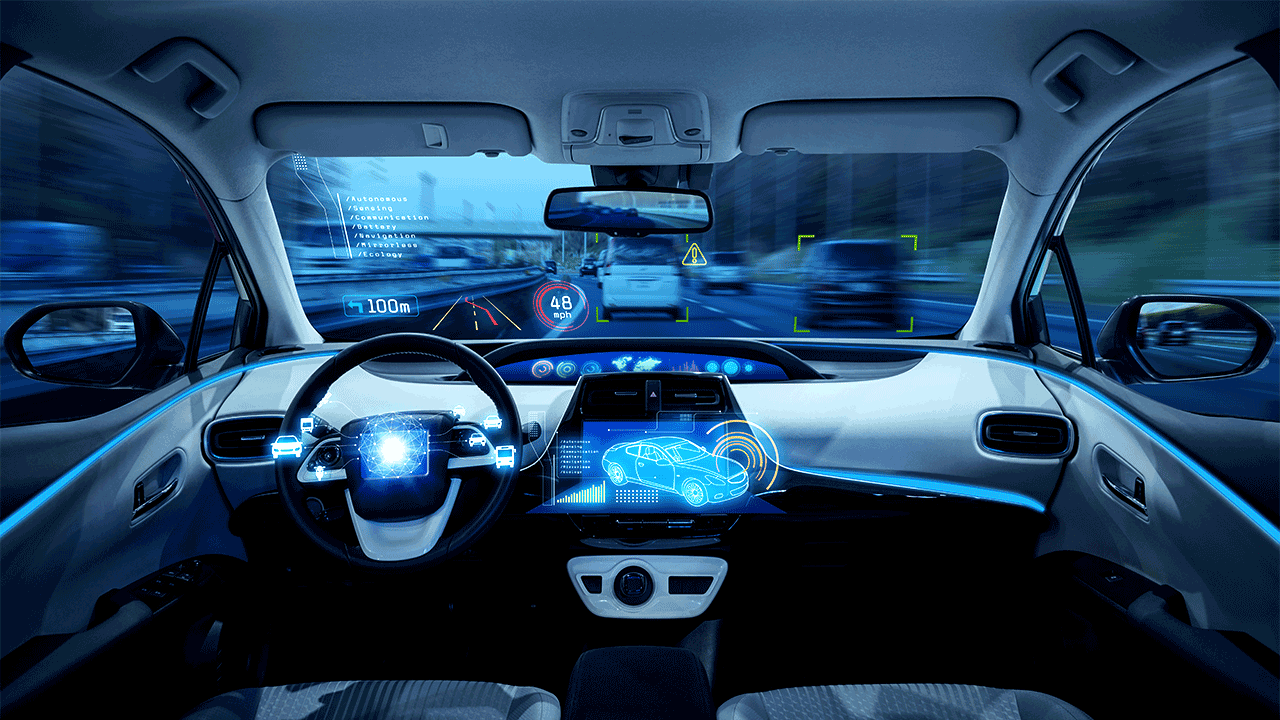
The Future of Autonomous Cars
Created on 5 December, 2025 • Tech Blog • 294 views • 6 minutes read
Meta Description: Explore how autonomous cars powered by AI are transforming transportation with smarter, safer, and more efficient driving experiences worldwide.
The Future of Autonomous Cars
Table of Contents
- Introduction
- How Autonomous Cars Work
- Benefits of Autonomous Vehicles
- Challenges Facing Autonomous Technology
- Impact on Urban Living
- The Role of AI in Autonomous Driving
- Future Developments to Watch
- Conclusion
Introduction
The world of transportation is evolving rapidly with the rise of autonomous cars, vehicles that can drive themselves with minimal or no human intervention. Powered by artificial intelligence, machine learning, and an array of sensors, these cars are set to redefine mobility, safety, and the very experience of traveling. Teenagers and young adults will grow up in a world where commuting, road navigation, and even driving lessons may become optional, as autonomous vehicles seamlessly integrate into everyday life. For technology enthusiasts, understanding the evolution of autonomous cars is essential to appreciating the broader impact of AI in modern society.
For readers interested in related innovations, explore how AI browsers are offering smart features or how AI predicts human emotions to enhance user experiences. The principles that power personal assistants, smart devices, and AI productivity tools are now transforming transportation.
How Autonomous Cars Work
At the core of autonomous vehicles lies a sophisticated combination of sensors, artificial intelligence, and real-time data processing. Lidar, radar, ultrasonic sensors, and high-resolution cameras allow the vehicle to perceive its environment with extreme precision. These systems feed information into AI algorithms, which analyze traffic conditions, predict potential hazards, and make driving decisions. The integration of machine learning enables these cars to continuously improve their decision-making, learning from patterns and experiences on the road. This technology allows autonomous cars to handle complex scenarios, from crowded city streets to remote highways, ensuring users can rely on them for safe and efficient transportation.
The interaction between sensors and AI is not the only factor driving autonomy. Cloud computing plays a crucial role by enabling vehicles to share traffic data, weather updates, and road conditions with other cars and traffic management systems. This connectivity creates a dynamic ecosystem where cars can make smarter decisions collectively. Technologies like edge computing further reduce latency, allowing vehicles to process data and respond to emergencies almost instantaneously. As a result, autonomous cars are designed to not only navigate the road but also anticipate and prevent potential accidents.
Benefits of Autonomous Vehicles
Autonomous cars promise to revolutionize the way we experience transportation. Safety is perhaps the most significant benefit, as AI systems are capable of monitoring surroundings with a 360-degree perspective, reducing human errors that account for most traffic accidents. Additionally, autonomous vehicles can enhance accessibility, offering mobility solutions for individuals who cannot drive due to age, disability, or other limitations. These vehicles are expected to optimize traffic flow, reducing congestion and lowering carbon emissions, particularly when integrated with electric vehicle technologies.
For tech-savvy youth, autonomous cars also represent convenience and productivity. With AI managing navigation, driving, and route optimization, passengers can focus on work, study, or leisure during their commutes. Connectivity with devices such as smartphones, smart homes, and wearable AI tools ensures that the journey itself becomes a productive or entertainment-focused environment. Similar AI principles can be seen in other areas, such as AI tools to study faster or AI helping you earn more, which also aim to improve efficiency and lifestyle experiences.
Challenges Facing Autonomous Technology
Despite the promising future, autonomous cars face multiple challenges. Legal and regulatory frameworks are still evolving, with governments and authorities working to define safety standards, liability in accidents, and certification processes. Public trust remains a significant barrier, as many individuals are hesitant to rely entirely on AI for critical driving functions. Cybersecurity is another crucial concern; autonomous vehicles are highly connected systems that could be vulnerable to hacking, data breaches, or system failures.
Another challenge is technological reliability in extreme conditions. Autonomous cars must handle snow, rain, fog, and other environmental variables while maintaining safety. The integration of AI and sensors requires continuous updates and testing to prevent failures, especially as these vehicles become more common. Lessons from other AI-driven platforms, like AI in movie making or AI assistants making life easier, highlight the importance of rigorous testing and adaptive learning in ensuring reliable performance.
Impact on Urban Living
The rise of autonomous cars will transform urban landscapes, influencing city planning, public transport systems, and parking infrastructure. Reduced car ownership and optimized traffic flow may free up valuable space in city centers, allowing for green spaces, pedestrian zones, and recreational areas. Cities may implement intelligent traffic management systems that communicate with autonomous vehicles to improve efficiency and reduce congestion. Autonomous ride-sharing networks could become the norm, providing affordable and sustainable mobility options for younger populations who prefer flexible, on-demand transport solutions.
Integration with public transport and smart city initiatives will further enhance the convenience of autonomous vehicles. These cars will not only serve as personal transport but also complement buses, trains, and other mass transit solutions. The seamless interaction between autonomous cars and urban infrastructure will redefine commuting, creating more efficient and environmentally friendly urban environments. Concepts seen in smart home devices you can trust or smart glasses and AR demonstrate how technology can integrate with everyday life, setting a precedent for transportation systems.
The Role of AI in Autonomous Driving
Artificial intelligence is the backbone of autonomous cars, responsible for decision-making, pattern recognition, and predictive analysis. Machine learning algorithms process vast amounts of data from sensors, other vehicles, and traffic networks to anticipate potential risks. AI systems can recognize pedestrians, detect sudden changes in traffic, and even predict the behavior of other drivers. By continuously learning from accumulated data, these systems become smarter, safer, and more efficient over time. This same AI expertise is utilized in various industries, from AI tools for students to AI revolutionizing photography, proving the versatility and transformative power of artificial intelligence.
AI in autonomous cars is also responsible for adaptive routing, energy efficiency, and fleet management. Vehicles can adjust routes based on real-time traffic conditions, weather patterns, and road hazards. Electric autonomous vehicles benefit from AI-powered battery management systems, ensuring optimal energy consumption and range planning. The fusion of AI with edge computing, cloud processing, and IoT creates an interconnected network where each vehicle contributes to smarter, safer transportation ecosystems.
Future Developments to Watch
The future of autonomous cars promises even greater advancements. Fully autonomous fleets, capable of operating without human supervision, are expected to be tested and deployed in controlled urban environments within the next few years. Integration with augmented reality navigation systems may provide drivers and passengers with immersive experiences that display road information, nearby amenities, and safety alerts in real-time. Emotional AI could even adapt the vehicle environment according to passenger moods, adjusting music, lighting, and climate to create personalized journeys.
Collaboration between autonomous vehicles and smart cities will continue to evolve. Connected traffic lights, AI-powered road sensors, and predictive traffic modeling will enable cars to navigate with unparalleled precision. Additionally, advances in cybersecurity and regulatory compliance will ensure safe adoption on a global scale. As autonomous vehicles continue to mature, they will create new industries, jobs, and opportunities for innovation, similar to what has been observed in AI helping you earn more or AI tools for studying, proving the wide-ranging societal impact of advanced technology.
Conclusion
The future of autonomous cars is not just about self-driving vehicles; it represents a shift in how humans interact with technology, redefine mobility, and experience daily life. These AI-powered cars promise safer roads, more efficient transportation, and significant environmental benefits. As technology continues to advance, autonomous cars will integrate seamlessly with smart cities, IoT devices, and AI-driven ecosystems, offering unparalleled convenience and connectivity. Embracing this technology today allows younger generations to prepare for a future where mobility is intelligent, personalized, and fully automated. By understanding these trends and innovations, readers can appreciate how AI is shaping not just transportation, but the very way humans live and interact with technology in the modern era.
Popular posts
-
How Robotics Will Transform FactoriesTech Blog • 508 views
-
Future Smartphones: What’s Coming NextTech Blog • 492 views
-
How AI Is Transforming Business in 2025Tech Blog • 480 views
-
Future of Online SecurityTech Blog • 453 views
-
Best Coding Languages for 2025Tech Blog • 449 views