Cybersecurity Threats You Must Know
Created on 29 November, 2025 • Tech Blog • 358 views • 4 minutes read
Discover the most critical cybersecurity threats you must know, from data breaches to phishing and malware, and learn how to stay protected in the digital world.
Cybersecurity Threats You Must Know
Table of Contents
- Introduction
- What is Cybersecurity?
- Types of Cybersecurity Threats
- Who is at Risk?
- How to Protect Yourself
- The Importance of Cybersecurity Education
- Conclusion
Introduction
In a world increasingly reliant on technology, understanding cybersecurity threats has never been more crucial. As a teenager or young adult navigating the digital landscape, your online safety is paramount. With social media, gaming platforms, and digital communication being an integral part of your life, being informed about cybersecurity threats can make all the difference in your security and privacy.
What is Cybersecurity?
Cybersecurity encompasses the practices and technologies that protect networks, devices, and data from digital attacks. It involves safeguarding your information from unauthorized access, damage, or theft. As technology evolves, so do the tactics employed by cybercriminals. Hence, having a grasp of the various types of threats you may encounter is essential for your safety online.
Types of Cybersecurity Threats
Malware
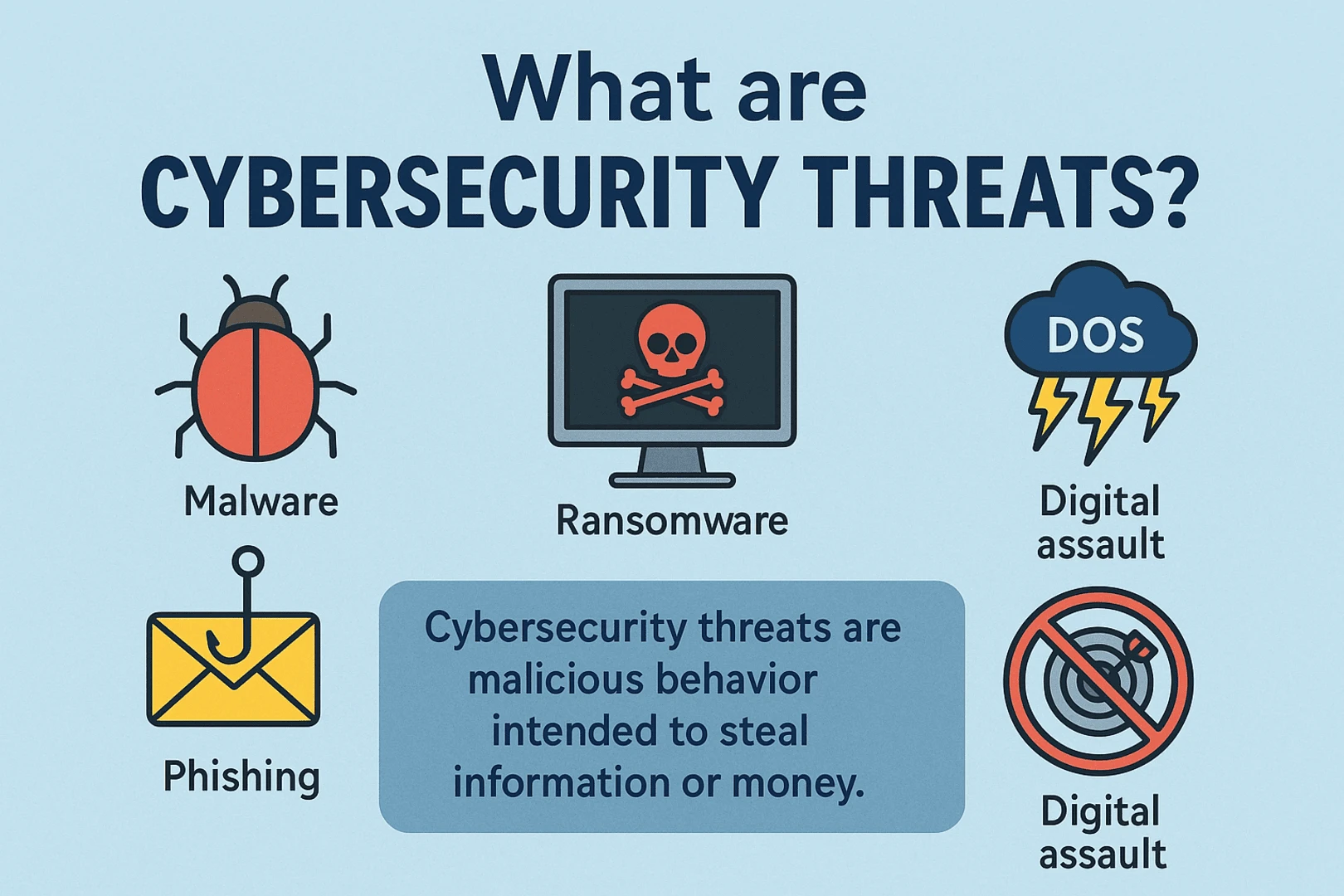
Malware, short for malicious software, is a blanket term for any software designed to harm or exploit any programmable device or network. Common subtypes of malware include viruses, worms, trojan horses, and spyware. Malware can infiltrate your computer or smartphone through email attachments, downloads, or infected websites.
To safeguard yourself, ensure you have up-to-date antivirus software and be wary of downloading files from untrusted sources. Regularly scanning your device will help you detect and remove any malicious software.
Phishing Attacks
Phishing is a method used by cybercriminals to trick individuals into providing sensitive information, such as usernames, passwords, and credit card details. These attacks often come in the form of deceptive emails or messages that appear to be from legitimate sources.
Always scrutinize emails and messages, particularly those requesting personal information or urging immediate action. Look for signs of phishing, such as misspelled words, unusual email addresses, or generic greetings. When in doubt, verify the sender through other means.
Ransomware
Ransomware is a type of malware that encrypts a victim's files, making them inaccessible until a ransom is paid to the attacker. The consequences of a ransomware attack can be devastating, leading to significant data loss and financial hardship.
To protect yourself from ransomware, maintain regular backups of your files to external hard drives or cloud storage. Be cautious when clicking on links or downloading files, particularly from unfamiliar sources. Keep your operating system and all software updated to help minimize vulnerabilities.
DDoS Attacks
Distributed Denial-of-Service (DDoS) attacks involve overwhelming a target's server, network, or service with an influx of traffic, rendering it unusable. These attacks can disrupt websites or online services, leading to costly downtimes.
While more commonly associated with businesses and organizations, individuals can also fall victim to DDoS attacks. Protecting your home network with robust firewall settings and ensuring that your internet service provider has DDoS protections in place can help mitigate risks.
Man-in-the-Middle Attacks
A Man-in-the-Middle (MitM) attack occurs when a cybercriminal intercepts communication between two parties. This can happen in various contexts, such as public Wi-Fi networks, where an attacker can eavesdrop on the data being transmitted.
Always use secure and trusted networks, avoid entering sensitive information when connected to public Wi-Fi, and consider using a Virtual Private Network (VPN) for enhanced security. VPNs encrypt your internet traffic, making it much harder for attackers to access your data.
Who is at Risk?
While everyone can be a target of cybersecurity threats, specific groups are more vulnerable. Teenagers and young adults often underestimate these risks and may overlook simple precautions. With constant engagement on social media and online gaming, it's vital to remain vigilant.
Even casual users can face threats, particularly if they share personal information without realizing the consequences. Additionally, students using their educational networks and devices must be cautious to avoid falling victim to cyber threats that could jeopardize their academic journey.
How to Protect Yourself
Being proactive in protecting yourself online is essential. Here are several strategies you can employ:
Use Strong, Unique Passwords: Avoid using the same password for multiple accounts. Incorporate a mix of letters, numbers, and special characters to create a strong password.
Enable Two-Factor Authentication (2FA): Whenever possible, activate 2FA on your accounts. This extra layer of security requires not only a password but also a secondary form of verification, such as a code sent to your phone.
Update Software Regularly: Regularly update your operating system and applications to protect against vulnerabilities. Most updates include security patches that help keep your devices safe.
Educate Yourself: Stay informed about the latest cybersecurity threats and trends. The more knowledge you have, the better equipped you'll be to recognize potential risks.
Be Wary of Public Wi-Fi: Limit sensitive transactions over public networks. Always use a VPN when connecting to unsecured Wi-Fi.
The Importance of Cybersecurity Education
As technology evolves, so do the threats associated with it. Understanding the landscape of cybersecurity is essential for everyone, especially teenagers and young adults who are digital natives. Incorporating cybersecurity education in schools and communities promotes awareness and equips you with the skills needed to navigate the online world safely.
Consider taking free online courses or attending workshops that focus on digital literacy and cybersecurity. Knowing how to defend against cyber threats enables you to take charge of your online safety and helps create a safer digital environment for everyone.
Conclusion
Stay Safe in the Digital Age
Cybersecurity threats are ever-present, but with knowledge and vigilance, you can protect yourself from potential harm. Recognize that you play a crucial role in safeguarding your own digital life. By learning about different types of cyber threats, employing best practices for online safety, and continuing your education in cybersecurity, you create a more secure online experience for yourself and those around you. Stay informed, stay aware, and stay safe!
Popular posts
-
How Robotics Will Transform FactoriesTech Blog • 508 views
-
Future Smartphones: What’s Coming NextTech Blog • 492 views
-
How AI Is Transforming Business in 2025Tech Blog • 480 views
-
Future of Online SecurityTech Blog • 453 views
-
Best Coding Languages for 2025Tech Blog • 449 views